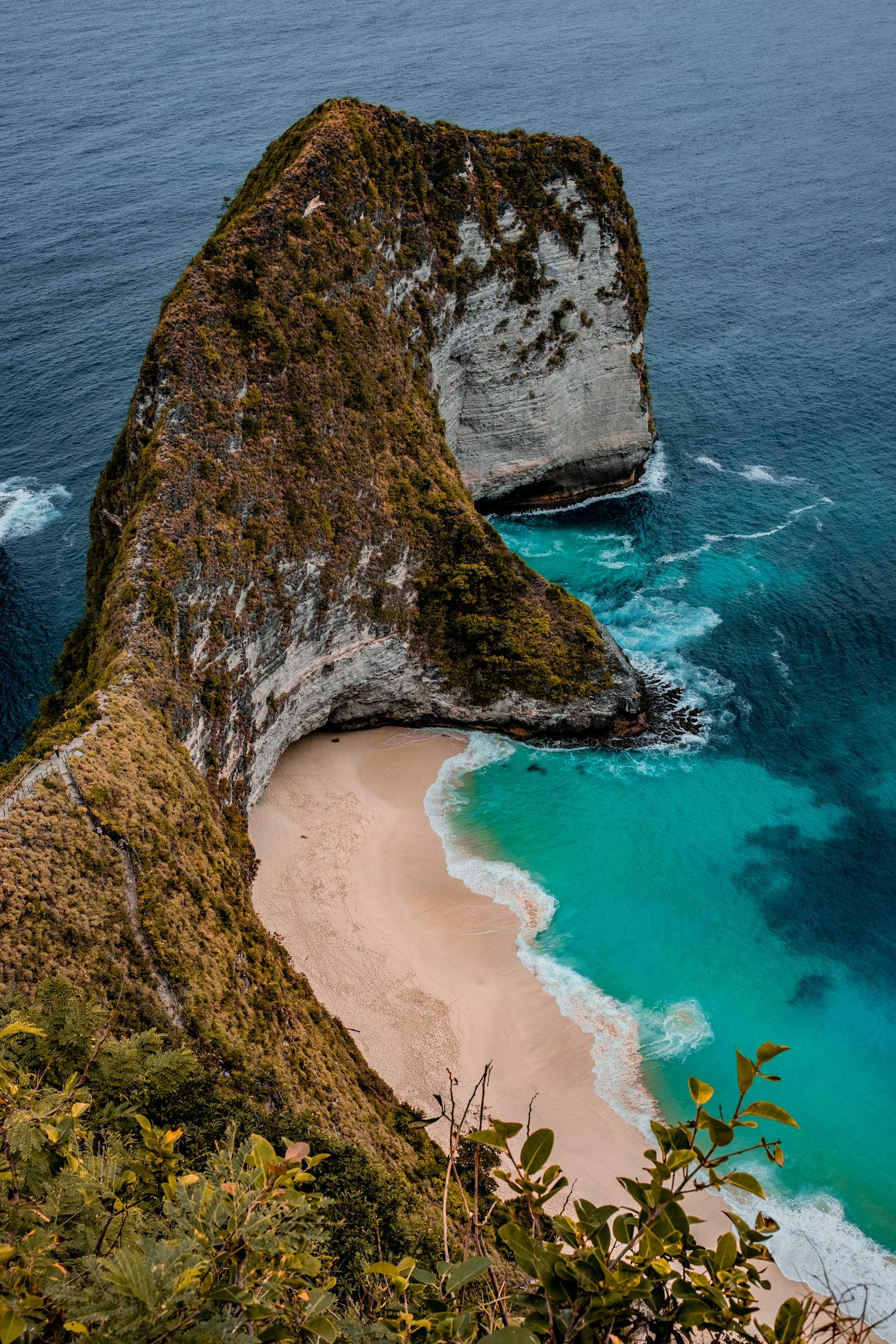
Tianyar · 8°17′S 115°36′E
The quieter north
of Bali
A different side of the island -- one that moves at its own pace and hasn't tried to become something else.
“Most visitors never make it past the south. The north coast is Bali as it was twenty years ago.”
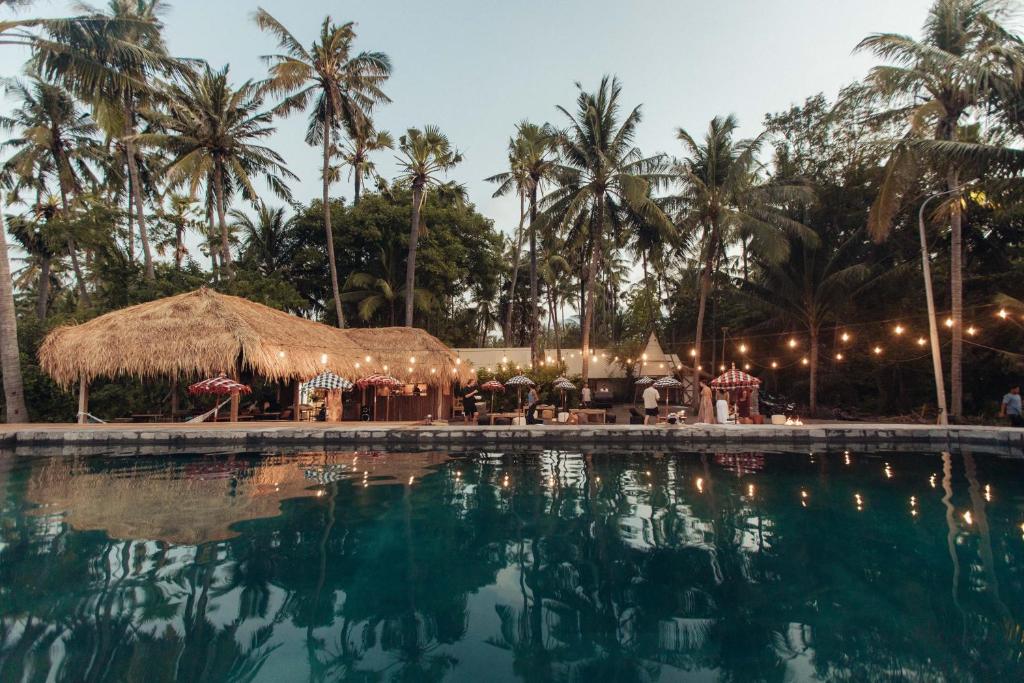
North Bali
An island within
an island
Most visitors to Bali stay in the south -- Seminyak, Canggu, Ubud, Uluwatu. They see a version of the island shaped by decades of tourism. The north is different. Quieter, more authentic, and more connected to the daily life that defines the island.
Ocean, volcanic landscape, fishing villages, and a pace that hasn't been rewritten for visitors. North Bali moves on its own terms.
The Journey North
The drive is part of
the experience
The road north from Bali's airport takes two to three hours. As you leave the south behind, the landscape opens and quiets. Rice fields give way to volcanic hillsides. The coast appears, dark and dramatic. The crowds are gone long before you arrive.
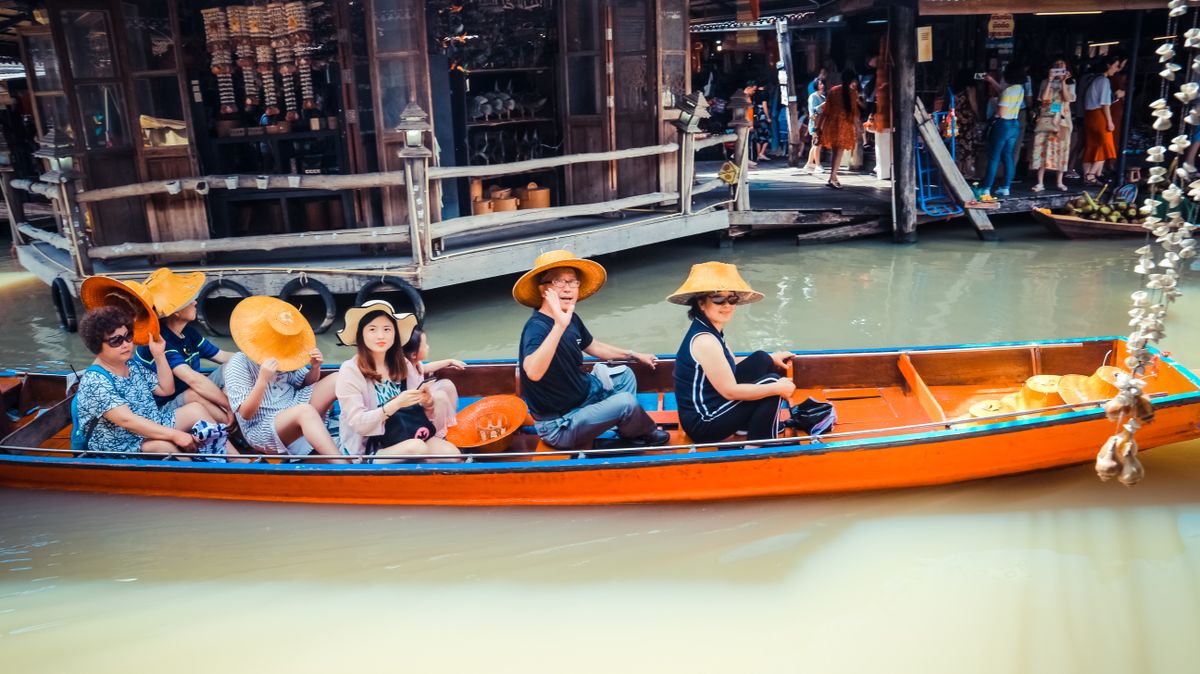
Many guests stop along the way -- at a warung overlooking the water, at a viewpoint above the rice terraces. The journey has its own value.
Kintamani
Kintamani &
Mount Batur
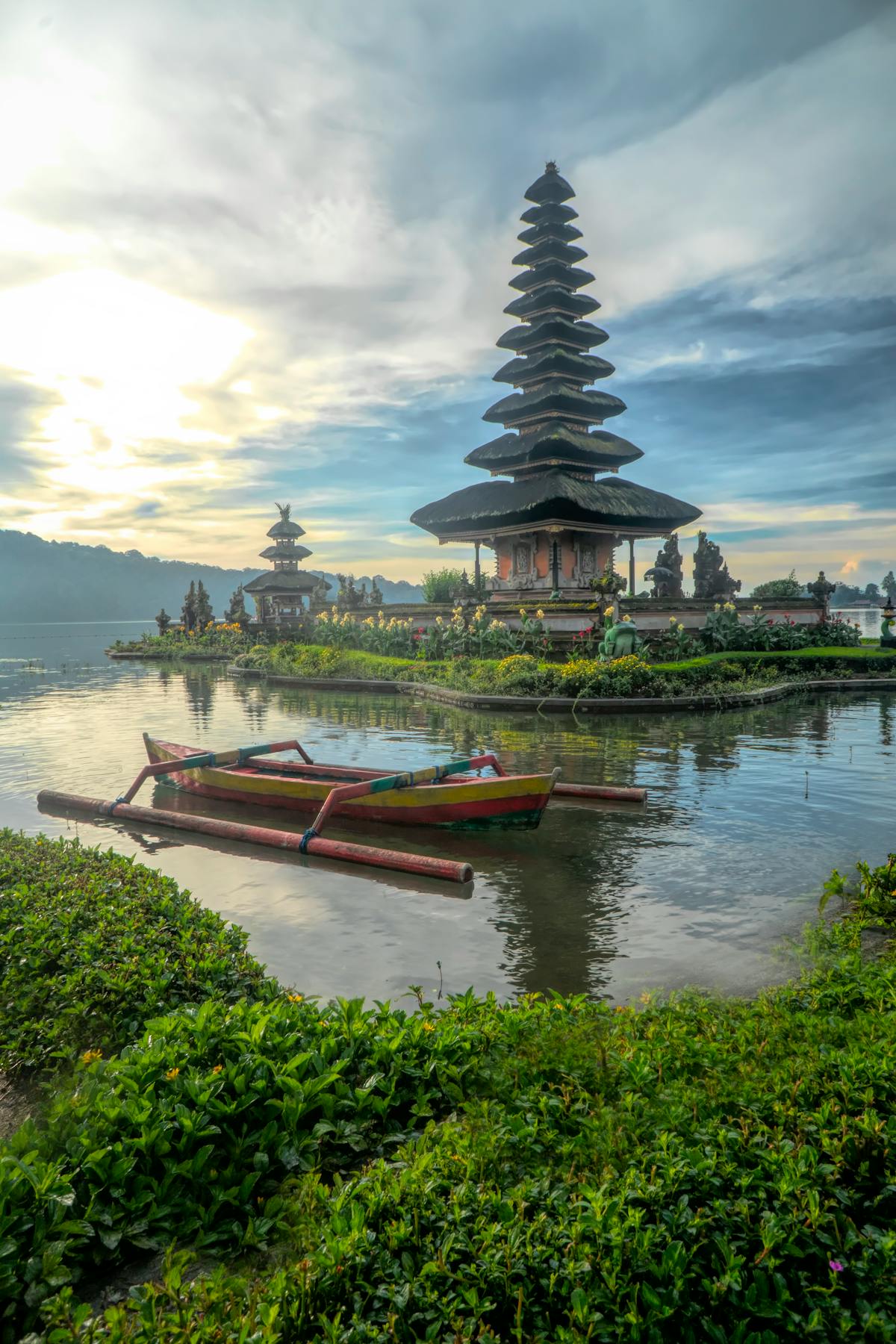
Set high in the volcanic interior of Bali, Kintamani offers one of the island's most striking landscapes. Mount Batur rises from the caldera, surrounded by a crater lake that reflects the morning light.
A sunrise trek to the summit is one of Bali's most rewarding experiences -- achievable, atmospheric, and often empty of crowds by the time you reach the top.
The North Coast
Black sand beaches.
Calm water. Fishing villages.
The lava beaches
Dark volcanic sand -- almost black at midday, silver at dawn -- stretching in quiet arcs along the coast. No loungers, no umbrellas. Just warm shallow water, fishing boats pulled above the tide, and the volcanic hills behind.
The fishing villages
Communities built around the catch. The jukung boats leave before dawn and return mid-morning. Fish is sorted on the beach, divided between families, carried to kitchens. The rhythm has not changed in generations.
The pace
No nightlife, no beach clubs, no hawkers. Temple ceremonies mark the calendar. Offerings appear on doorsteps each morning. The north coast has not been built for tourism, and that is exactly the point.
The light
Mornings here have a particular quality -- soft, golden, and unhurried. By evening the black sand absorbs the colours of the sky, and the volcano catches the last of the sun. The kind of light you remember long after the trip.
Amed & Tulamben
World-class diving,
minutes away
Amed and Tulamben are known throughout the diving world for their volcanic seabeds, vivid coral reefs, and warm, clear water. The USAT Liberty wreck at Tulamben is one of the most accessible and impressive dive sites in Southeast Asia.
Both are within easy reach of VELA -- a natural addition to any stay on the north coast.
Tianyar
A quiet coastal village, still unhurried.
Tianyar is a small fishing village on the north coast where daily life remains connected to the ocean. The men fish. The women prepare offerings -- small canang sari baskets of flowers and rice, placed on doorsteps, temple walls, and the bows of fishing boats before the day begins.
The catch comes in each morning on the dark lava beach. Tuna, mahi-mahi, snapper. It is sorted where the boats land, divided among families, and carried to kitchens across the village. What Saga needs for the day is bought right there on the sand. The children know the fishermen by name. So do we.
The temple still marks the week. Ceremonies arrive on the Balinese calendar -- full moon, new moon, Galungan, Kuningan -- and the village participates fully. Gamelan music drifts from the temple compound. Processions pass along the coast road in white and gold. On these days the rhythm of the village shifts, and VELA shifts with it.
VELA sits at the edge of this life -- not apart from it, but respectfully alongside. The people who built these tents live in the houses beyond the tree line. The relationship is not transactional. It is neighbourly. A place that gives guests access to something few travellers reach: a Bali that is still its own.
Come and find it for yourself
The north coast rewards those who make the journey.