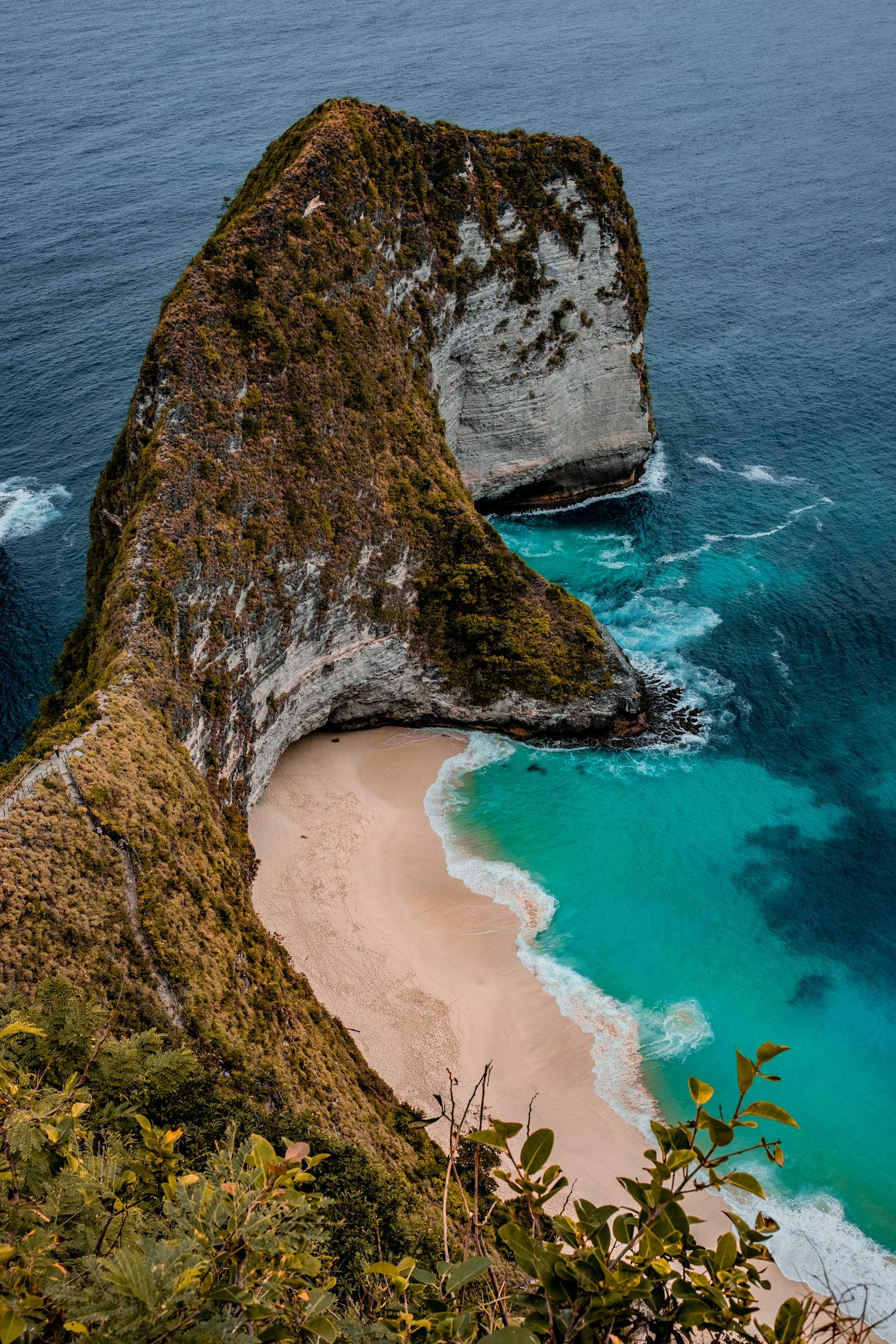
Our Story
We didn't plan a hotel.
We found a place.
VELA began with a stretch of coast most visitors never see -- and the feeling that it should stay that way.
“The best places are not built. They are found -- and then carefully left alone.”
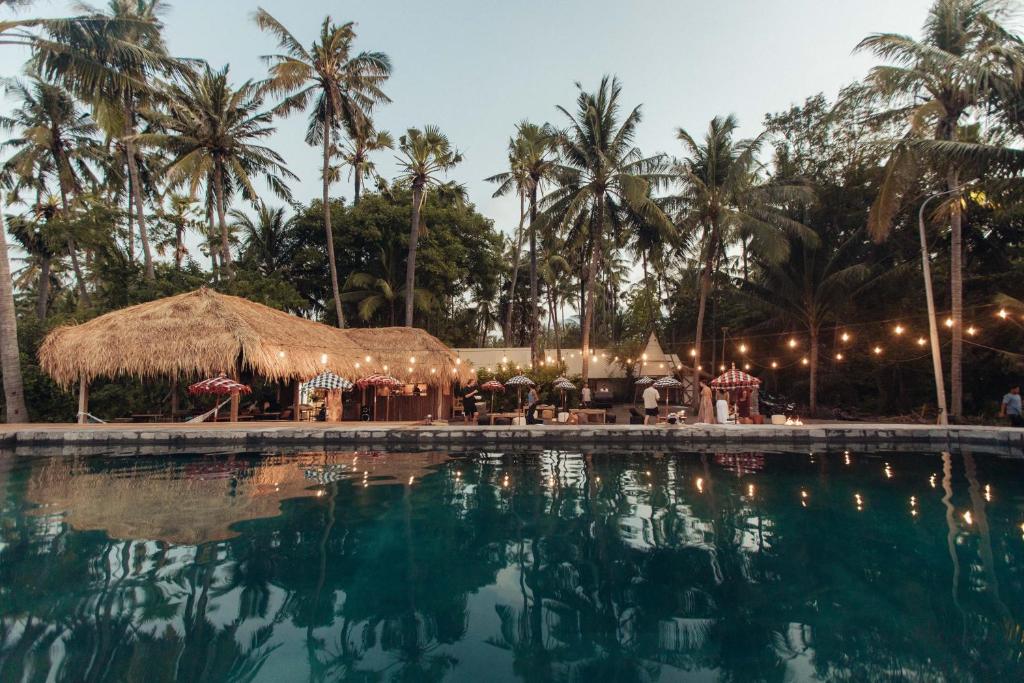
The Beginning
A wrong turn on
the road from Amed
There was no master plan. No feasibility study. It started with a missed turning on a coast road -- and a stretch of dark volcanic sand where the fishing boats were pulled up for the afternoon and the only sound was the water.
This part of Bali felt different. Not undiscovered -- the village of Tianyar has been here for centuries -- but untouched by the machinery of tourism that has reshaped the south. The mornings were soft. The evenings were warm and genuinely quiet. The ocean was right there, always.
The question was not “what can we build here?” It was “how can we stay?”
The Village
Tianyar was never
waiting for us
The village does not need tourists. The fishing boats go out before dawn whether guests are watching or not. The temple ceremonies happen on their own calendar. The children walk to school along the coast road. Life in Tianyar is not a performance -- it is simply life, and it has been this way for as long as anyone remembers.
That is exactly what drew us. VELA sits at the edge of the village, not at its centre. We are guests here in the truest sense -- present, respectful, and aware that we are not the reason this place exists.
Our fishermen are Tianyar's fishermen. Our kitchen sources from their catch. The people who built these tents live in the houses beyond the tree line. When Saga serves grilled fish in the evening, there is a good chance the man who caught it that morning is eating dinner with his family a few hundred metres away.

The Fishermen
Before dawn,
the boats go out
The fishermen of Tianyar leave in darkness. Small wooden jukung boats, painted in faded blues and greens, pushed out across the black sand and into the Bali Sea. By the time the first light reaches the coast, they are already past the reef, casting lines into deep water.
They return mid-morning. The catch is sorted on the beach -- tuna, mahi-mahi, snapper, squid -- and divided between families. What Saga needs for the day is bought directly. No middleman. No cold chain. The fish was in the ocean hours ago.
This is not a show arranged for visitors. It is the economy of the village, the rhythm that has defined mornings here for generations. You are welcome to watch, to walk down to the shore, to help pull a boat in. But it will happen whether you are there or not.
The Lava Coast
Black sand, born
from the volcano
The beaches here are not white. They are black -- dark volcanic sand carried down from Mount Agung over centuries of eruptions, ground fine by the ocean and spread along the north coast in wide, quiet stretches.
The effect is striking. At dawn the sand is cool and almost silver. By midday it absorbs the sun and warms underfoot. In the late afternoon it turns deep charcoal, reflecting the colours of the sky. The water beside it is calm and clear -- protected by offshore reefs and the gentle curve of the coastline.
There are no loungers arranged in rows. No umbrellas for rent. Just the sand, the water, the fishing boats pulled up above the tide line, and the volcanic hills rising behind. The landscape is dramatic without trying to be.
Daily Life
A day in Tianyar
04:30
The boats
The fishermen push out in the dark. The sound of outboard motors crossing the reef is the first sound of the day. On the shore, the nets from yesterday are folded and stacked.
07:00
The offerings
Small canang sari offerings appear on doorsteps, on the temple wall, on the dashboard of a motorbike. Incense drifts across the road. The women of the village prepare these before dawn -- flowers, rice, a quiet prayer.
10:00
The catch
The boats return. The beach fills briefly with activity -- sorting, weighing, dividing. Children run between the jukung. The fresh catch moves quickly to kitchens, to Saga, to the small warung by the road.
17:30
The light
The heat drops. The coast softens. Families gather on the beach. Smoke rises from cooking fires. The volcano behind the village catches the last of the sun. The sky turns amber, then grey, then dark.
What We Believe
VELA is not a collection of amenities. It is a feeling -- the one you get when the noise stops and the landscape takes over.
Place first
The landscape was here long before us. Every decision begins with the coast, the village, and the life already present. We build around what exists -- not over it.
Quiet over loud
No music by the pool. No neon. No itinerary pushed under your door. The rhythm here is set by the ocean, the light, and your own instinct for rest.
Small by design
Eight tents. One kitchen. A team that knows your name. VELA was never meant to scale. Intimacy is not a limitation -- it is the entire point.
Honest materials
Local timber, woven bamboo, stone from the volcanic coast. Nothing imported for effect. The materials come from the same landscape you wake up to.

The Name
VELA means sail
In Latin, in Italian, in the old maritime languages -- “vela” is the sail. The canvas that catches the wind and carries you somewhere new.
Our tented structures echo that idea. Canvas walls that breathe with the coast. Spaces that feel more like sheltered decks than hotel rooms. The boundary between inside and outside is deliberately thin.
A sail does not fight the wind. It works with it. VELA works the same way -- with the landscape, the season, and the ocean.
The Journey
How we got here
2022
First visit to Tianyar
A wrong turn on the road from Amed. A stretch of black sand coast with no beach clubs, no signs, no tourists. Just fishing boats and volcanic hills meeting the sea.
2023
The land and the idea
Months of returning. Conversations with the village. A piece of coastal land between the road and the shoreline. The idea of a small retreat that could belong to this place rather than displace it.
2024
Building begins
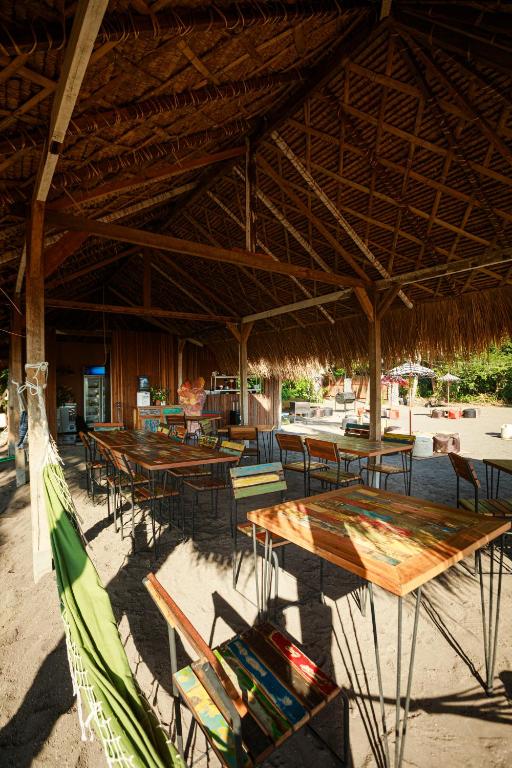
Local craftsmen, traditional joinery, tented structures designed to breathe with the coast. Saga takes shape as an open kitchen at the heart of the property. The first coffee is brewed on-site.
2025
First guests
Soft openings. Friends, early believers, and travellers who found VELA through word of mouth. Their feedback shapes the final details -- the rhythm of the day, the rituals, the silences worth keeping.
2026
Opening
Eight tents, three types, one small restaurant. VELA opens fully in July. Not as a finished product -- but as a living place that will continue to be shaped by the coast and the people who visit.
Opening July 2026
The coast is waiting.
Quietly.
A small retreat shaped by the ocean. Three tented stays. One open kitchen. And the kind of silence you did not know you needed.